
Vape and Tobacco Shop Payment Processing in Canada
How card processing works for vape, cigar, chew less and tobacco shops in Canada, why processors call them high-risk, and the federal and provincial rules that apply.
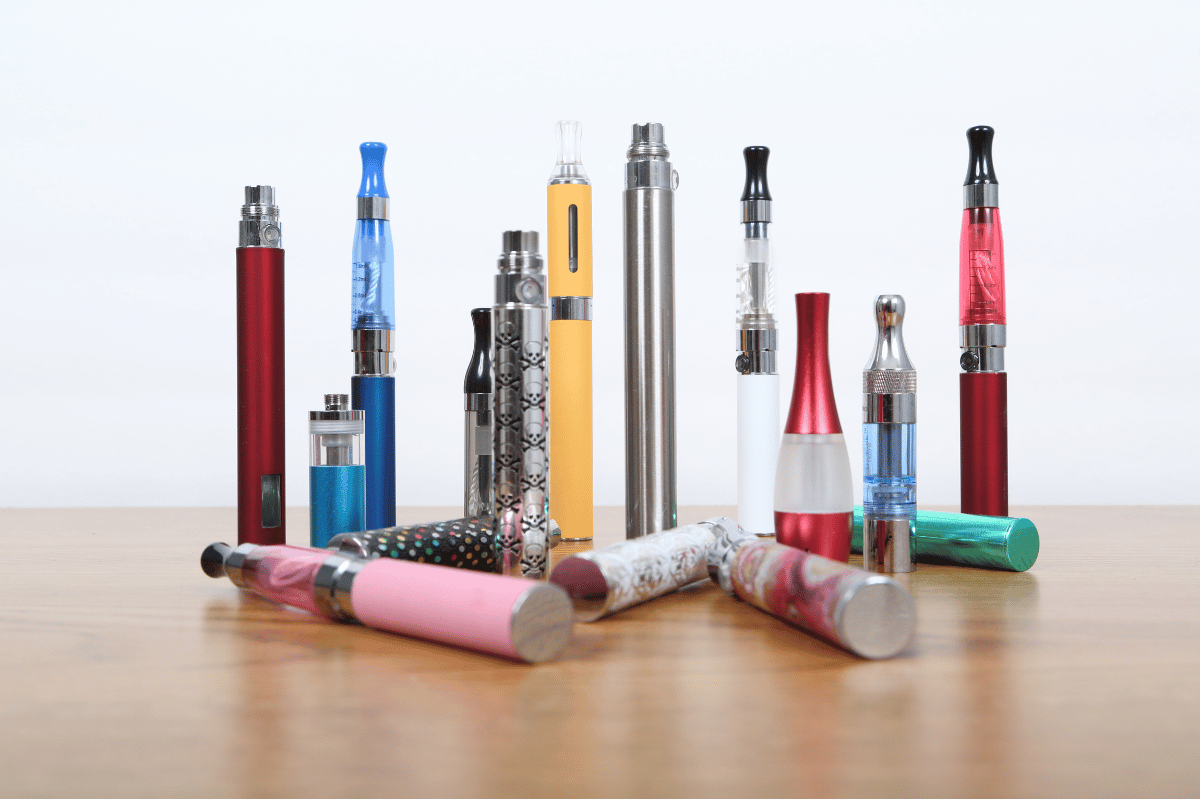
Non-cannabis vape shops, cigar lounges, smoke shops, and tobacco stores sell legal products. But accepting card payments isn’t always straightforward. Yet many owners find that getting a card account is harder than it should be. Some are turned down. Others are approved, then closed months later with little warning.
Why are legal products like tobacco hard to get payment processing accounts approved for?
Who gets denied?
It’s not as straightforward as opening a shop and accepting payments.
How a Card Payment Works
Every card sale passes through a few parties. Your customer’s bank issued the card. Visa, Mastercard or Interac carries the payment between banks. Your processor, also called the acquirer, approves your business and sends the money to your bank account.
The processor is the party that takes on your risk. If a customer disputes a charge and you cannot cover it, the processor is on the hook. That is why the processor, not the card brand, decides whether to approve your shop.
In store, most Canadian customers pay by tap, chip or Interac debit. Online, every sale is a “card-not-present” sale. Online sales carry more fraud and more disputes, so processors review them more carefully.
Why Processors Treat Tobacco and Vape Shops as High-Risk
Each business that takes cards gets a merchant category code, or MCC. This four-digit code tells the card networks what kind of business you run. Tobacco retailers are generally coded 5993, “Cigar Stores and Stands.” Some vape-only shops may be coded differently, but the review is much the same.
Processors call this category high-risk for a few plain reasons:
- Heavy regulation. Age limits, licences, flavour rules and taxes differ by province and change often.
- Age checks. A sale to a minor can bring fines for the store and attention to the processor.
- Disputes online. Online orders tend to bring more chargebacks, which are customer disputes that reverse a payment.
- Reputation. Some banks simply prefer to limit how much tobacco and vape business they support.
“High-risk” is a label about the category, not a judgment about your store. A well-run shop with clean records can still be a good fit for the right processor.
Why Many Popular Tools Say No
Many shop owners start with an all-in-one tool such as Square or Stripe, two popular payment apps. These providers restrict or ban tobacco and vape sales in their terms. Shopify Payments, the built-in checkout for the Shopify online store builder, does not support these sales either.
Some shops sign up anyway and are approved by an automated system. The account may then be frozen when a review catches up. Funds can be held for weeks while the account is closed. A dedicated merchant account, set up from the start for your type of business, avoids that surprise.
What High-Risk Means for Your Account
Being in a higher-risk category changes the terms you are offered. Expect some or all of the following:
- Higher rates than a grocery store or restaurant would pay.
- More paperwork at sign-up and a longer review.
- A reserve, where the processor holds back a small share of sales for a set time to cover future disputes. This is more common for online sales.
- Closer watch on your dispute rate. Too many chargebacks can lead to fines or a closed account.
Terms vary a lot from one processor to the next. A store that sells only in person, with steady sales and few disputes, will usually get better terms than a new online-only shop.
The Rules That Shape Your Payment Setup
Your processor will want proof that you follow the law. It helps to know which rules apply to you and where to find them. Ensuring you’re not selling other products you don’t have licences for, like cannabis or alcohol, is something that can be spot-checked.
Federal Rules in Canada
You cannot sell any tobacco products to individuals 17 years old or younger. The federal Tobacco and Vaping Products Act sets the national floor. It bans selling or giving tobacco and vaping products to anyone under 18 (not 19 like alcohol). It also bans sending or delivering them to a young person, which matters for online stores. The Act also limits how vape products can be promoted. This is to protect young Canadians from consuming addictive nicotine products at such a young age.
Provincial Rules
Provinces can set stricter rules than Ottawa, and most do. The main differences are age limits, retail licences and flavour rules.
Age limits. Most provinces set the minimum age at 19. Ontario, for example, uses 19. A few, including Quebec and Alberta, use the federal age of 18. Prince Edward Island is the strictest at 21, a change made on March 1, 2020.
Retail licences. Most provinces require tobacco retailers to hold a licence, permit or registration. British Columbia uses a Tobacco Retail Authorization. Quebec requires a registration certificate. New Brunswick charges $100 for a retailer’s licence, with a $50 yearly renewal, and each location needs its own. Processors often ask for a copy of this document.
Flavour rules. Canada has no federal ban on flavoured vape products as of 2026. Several provinces and territories have their own. Quebec, Nova Scotia, Prince Edward Island, New Brunswick and the Northwest Territories ban most flavours. Others, such as Ontario, limit most flavoured products to adult-only specialty stores. Your product list should match what your province allows. This is to protect children from looking for flavoured products where marketing can target the young.
Selling Online
Online sales add another layer. In Ontario, online sellers must have a system to check a buyer’s age before the sale. The age must be checked again when the order is delivered. Health Canada has also proposed more detailed federal rules for checking age and identity on online orders.
For your processor, a strong age check at checkout is one of the best signs that you run a careful store. It also cuts down on disputes, since fewer orders reach people who should not have them.
What Processors Ask For When You Apply
Having your documents ready speeds up approval. Most processors will ask for:
- Business registration and owner ID.
- Your provincial tobacco retail licence, permit or registration, where one is required.
- A void cheque or bank letter for your business account.
- Recent processing statements, if you have taken cards before.
- A list of the products you sell, including any vape, cigar or accessory lines.
- For online stores: your website address, age check at checkout, delivery ID check, and posted refund and shipping policies.
How to Keep Your Account in Good Standing
Getting approved is one thing. Staying open for business and approved is another:
- Describe your business honestly at sign-up. A mismatch between what you sell and what you told the processor is a common reason for closures.
- Tell your processor before you add a new product line or start selling online.
- Check ID every time the law requires it, and train staff to do the same.
- Use a clear store name on card statements so customers recognize the charge.
• Resolve disputes quickly, and keep receipts and delivery records.
• Keep licences current and renew them on time (this is hugely important).
Talk to Us About Your Store
BrotherProcessing has worked with retailers that sell age-restricted products across Canada for nearly 20 years. See why we’re a leading vape store credit card processing company across Canadian provinces.
Frequently Asked Questions
Can a vape shop use Square or Stripe in Canada?
Both providers restrict or ban tobacco and vape sales in their terms. A shop may be approved at first and closed later. A merchant account built for this type of business is the safer choice. You don’t want to get started for your account to be terminated mid-day.
Is it legal to sell vapes and tobacco online in Canada?
Yes, but you must not sell or send products to anyone under the legal age. Provinces add their own rules. Ontario, for example, requires an age check before the sale and again at delivery. Some products, such as many flavoured vapes, cannot be sold into provinces that ban them.
Why did my processor hold my funds?
Funds are often held when a processor reviews an account it sees as high-risk. Common triggers include a jump in sales, a rise in disputes, or products that were not listed at sign-up. Ask your processor what it needs to release the funds.